03/07/2026
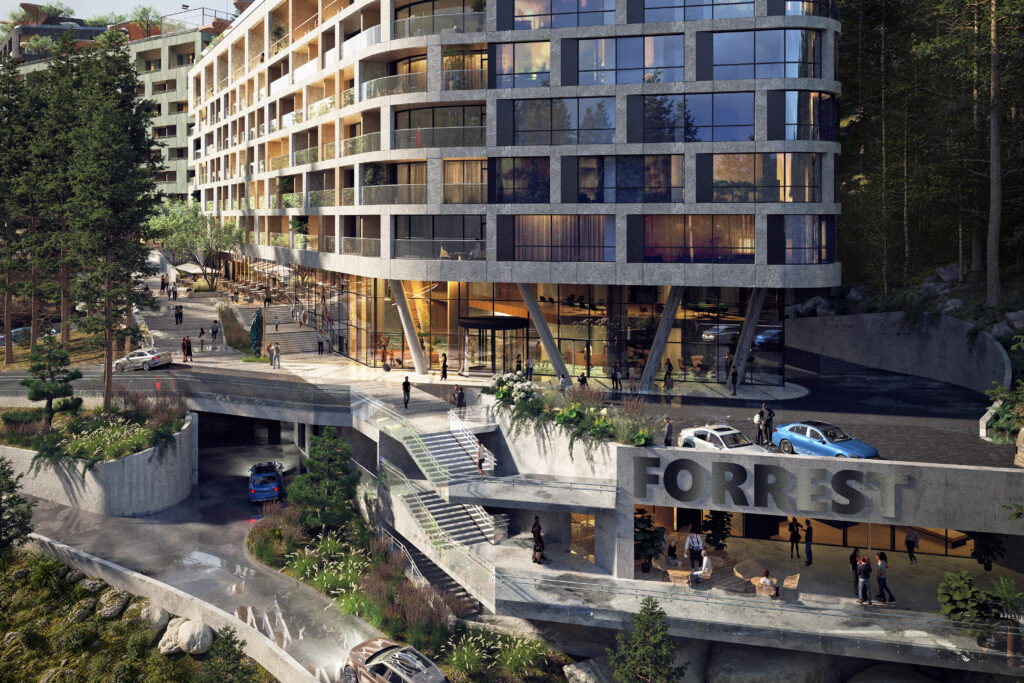
FORREST Trinity Resort: why Bukovel is an asset that works, not just a getaway





In 2026, Ukraine’s real estate market enters a phase of qualitative selection. Demand for square meters is no longer formed “on average across the country” — the decisive factors are regional security, migration flows, and trust in the developer. These elements shape both investment decisions and price dynamics.
Market analytics show that in 2025–2026 investors are seeking a balance between safe locations, predictable project execution, and yield potential. Western regions demonstrate gradual growth, Kyiv is entering a stabilization phase, while frontline territories remain limited in investment potential.
Following the loss of a significant portion of the maritime recreational resource, mountain regions have become a key alternative for domestic tourism. Recreational real estate in the Carpathians is consolidating its position as a stable investment instrument — driven by year-round demand and the need for recovery, wellness, and high-quality leisure.
It is also important to note that the notion of mass emigration of Ukrainians after border reopening remains a myth. Domestic tourism has a solid foundation, and demand is shaped not only by wartime factors, but also by cultural, emotional, and family-driven motives.
The key market transformation is a shift in investor behavior. In 2026, investors carefully assess:
Developers are forced to adapt: flexible financial models, installment plans, income guarantees, options for personal use, and formats with lower entry thresholds are becoming more common. At the same time, expectations regarding project quality and long-term reliability continue to rise.
As the market gradually becomes saturated with supply, concept emerges as the key competitive factor. Investors are no longer choosing renderings, but the team’s ability to execute the vision and manage the project over the long term.
In 2026, the developer’s reputation becomes part of the product itself. Transparency, predictability of decisions, and systematic management carry as much weight as location or marketing.
Real estate demand in 2026 is driven not by emotion, but by trust. The market clearly distinguishes systemic projects from temporary ones. Those who prevail are the teams capable of building for the long term, managing professionally, and embedding meaning from the concept stage onward.